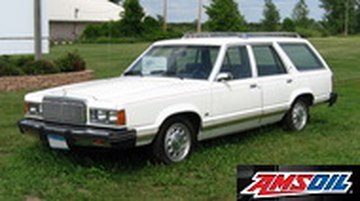
Lubrication Maintenance for the 1982 Mercury XR7 4.2L
Maintaining a vehicle from the early 1980s requires a shift in perspective compared to modern automotive care. For an owner of a 1982 Mercury XR7 equipped with the 4.2L engine, routine service is not just about following a schedule; it is about active monitoring and understanding how aging components interact with various fluids. Proper lubrication management is a cornerstone of preserving the mechanical integrity of this engine over time.
Monitoring Fluid Integrity and Condition
One of the most effective ways to assess the health of the 4.2L engine is through regular observation of its lubricants. Rather than relying solely on mileage, an owner should periodically inspect the appearance and consistency of the engine oil. Changes in the fluid's color or texture can provide early indicators of various internal conditions.
For instance, if the oil appears excessively dark or contains visible particulate matter, it may suggest that the lubrication is no longer effectively managing the internal environment. While some discoloration is expected as oil ages and collects microscopic debris, significant changes warrant a closer look. Additionally, checking for any unusual odors or a change in the fluid's scent can be useful during routine inspections. If you notice anything that deviates from the standard appearance of fresh or recently changed oil, it should be investigated to prevent potential issues.
It is also beneficial to monitor for signs of external leakage. Inspecting the area around the engine for any evidence of seepage or active drips can help identify when gaskets or seals may be losing their effectiveness. Catching a small seep early is often much simpler than addressing a significant leak later on.
Prioritizing Service Based on Current Condition
When managing an older vehicle like the 1982 Mercury XR7, maintenance priorities should ideally be driven by the actual condition of the machine rather than strictly by chronological age. This approach allows an owner to allocate resources effectively, focusing on what the engine actually needs at any given moment.
A practical way to begin this process is by establishing a maintenance baseline. If the vehicle's service history is unknown or incomplete, performing a thorough inspection of all major fluid levels and the condition of accessible components—such as hoses or belts, if equipped—can provide a starting point. Once this baseline is established, you can track how the vehicle responds to regular service.
If you encounter active leaks or notice changes in how the engine operates, these should take precedence over general preventive tasks. For example, addressing an emerging oil seep is more critical than performing a non-essential cosmetic detail. By distinguishing between necessary repairs and routine preventive maintenance, you can maintain the 4.2L engine with greater precision and efficiency.
Observing Potential Operational Indicators
Understanding the symptoms that may arise during operation is vital for long-term ownership. It is important to remember that many different mechanical factors can produce similar signs, so a single symptom should not be used to jump to a definitive conclusion. Instead, view these indicators as prompts for further investigation.
- Fluid Consumption: If you find yourself needing to add oil more frequently than in the past, this change in consumption patterns warrants an inspection of the engine's sealing surfaces and overall health.
- Visual Indicators: Any unusual smoke appearing from the exhaust or visible puddles forming under the vehicle should be treated as a signal to check fluid levels and inspect for leaks.
- Auditory Changes: New or unusual mechanical noises during startup or while idling can sometimes be associated with lubrication issues or other internal components that require attention.
- Warning Indicators: If the dashboard features any oil-related warning lights, these should be addressed immediately to ensure the engine is receiving adequate lubrication.
By staying observant of these subtle changes, you can move from a reactive maintenance style to a more proactive one, potentially addressing minor concerns before they escalate into larger mechanical requirements.
Managing Aging Components and Materials
As vehicles age, the materials used in their construction—such as rubber, plastic, and various sealants—can undergo changes due to heat cycles and environmental exposure. For a 1982 Mercury XR7, this means that certain components may require more frequent visual checks than they would on a newer vehicle.
When performing routine service, take a moment to inspect accessible hoses for signs of hardening, cracking, or swelling. Similarly, if the engine is equipped with drive belts, check them for glazing, fraying, or surface deterioration. While these inspections do not necessarily mean parts need immediate replacement, they provide the data needed to plan future maintenance.
Furthermore, keeping a detailed record of all completed repairs, fluid changes, and observed conditions is one of the most valuable tools an owner can possess. A well-documented history allows you to see patterns over time, such as how often a specific component requires attention or how the engine's lubrication needs might be evolving as it reaches higher mileage. This documentation turns individual service events into a cohesive long-term maintenance strategy.
Effective Lubrication Strategies for Longevity
The quality of the lubricant used in the 4.2L engine plays a significant role in its operational stability. Modern lubrication technology offers various formulations that can be matched to the specific needs of an older engine. For example, some high-mileage oil formulations contain additives intended for use in aging engines, including seal-conditioning additives that may help maintain the integrity of existing gaskets.
When selecting a lubricant, it is important to consider the benefits of different base oils. Synthetic oils and synthetic blends are often noted for their thermal stability and resistance to oxidation, which can be beneficial in maintaining consistent lubrication properties under various operating conditions. However, the choice should always be guided by the specific requirements of your vehicle rather than general assumptions about what might be "better."
Always ensure that any lubricant you select meets the appropriate API certification standards to guarantee it provides the necessary level of protection and deposit control required for engine operation.
Buying Engine Oil for your 1982 Mercury XR7 4.2L
When you are ready to purchase new lubricant, the most important step is to ensure that the product matches the application-specific information provided for this vehicle. Do not rely on general automotive knowledge or assumptions based on the engine's displacement or age to select a grade.
Instead, match the engine oil to the vehicle-specific viscosity and application information already displayed on this page. Before finalizing your purchase, carefully check the product labeling to verify that the SAE viscosity and API service categories align with the requirements listed in your documentation. Whether you choose a conventional, synthetic blend, or high-mileage formulation, the primary goal is to adhere strictly to the specifications designated for this 1982 Mercury XR7 4.2L.